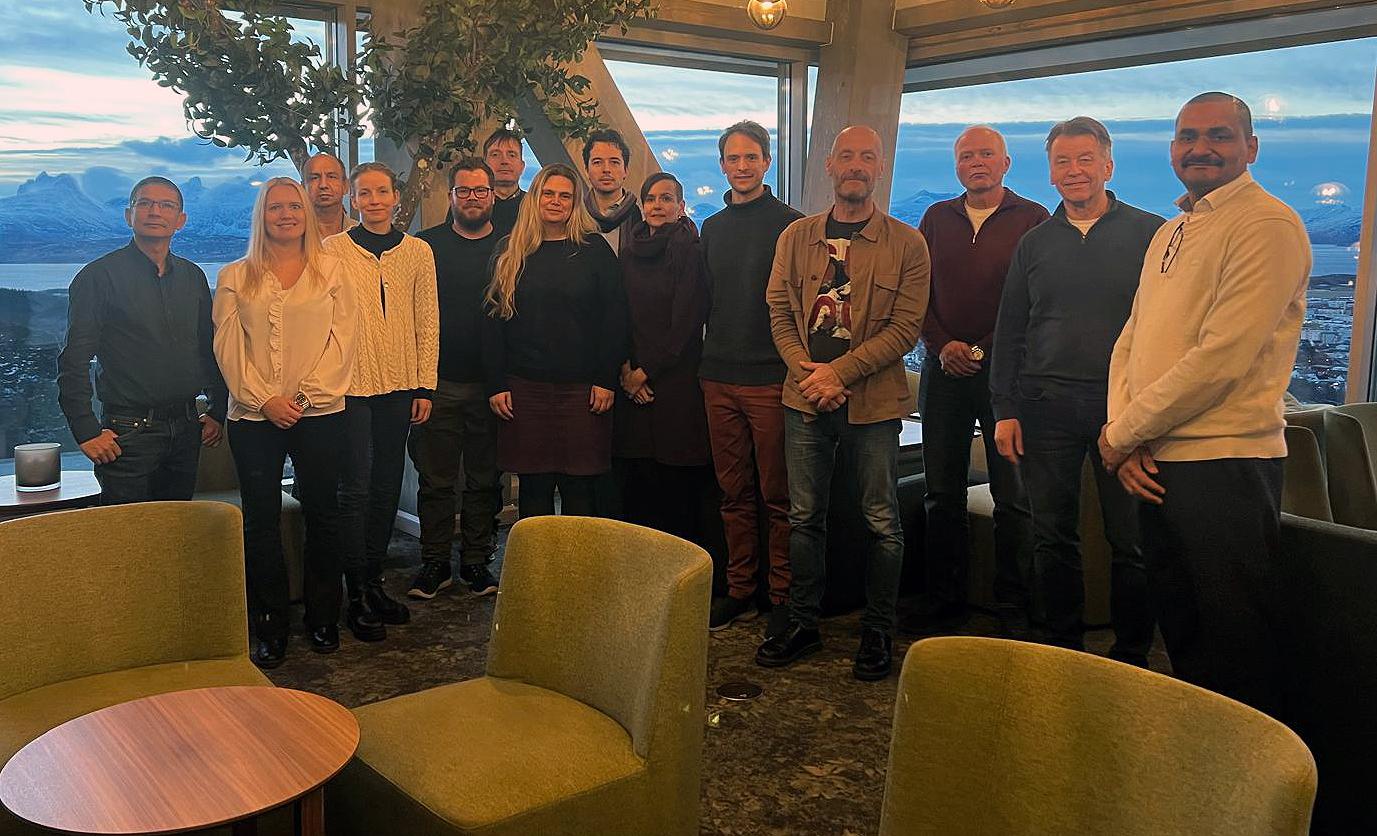

Research group
Science and technology in teaching and learning
With a strong commitment to sustainable education and interdisciplinary approaches, we prioritize international collaboration to push the boundaries of educational research.
Through joint initiatives, funding proposals, and global knowledge exchange, we strive to enhance teaching methodologies and strengthen research partnerships. Our efforts support national and international networking, mobility opportunities, and and impactful research publications in these key areas. Join us in shaping the future of learning and innovation!
Asif Mushtaq, head of research group
Leonie Isabelle Johann
Mohamed El Ghami
Dag Oskar Madsen
Amrit Bahadur Poudel
Ana Vassileva Borissova
Guro Sannerud Stødle
Trygve Kvåle Løken
Kåre Haugan
Rikke Lunell
Hanna Bjørgaas
Maria Klaussen Herset
Mari Solberg Jensen
Aamna Rais Ahmed
Klaus-Peter Eichler
Antoine Laurent Christophe Julien
Maria Klaussen Herset
Torbjørn Smedsund
Mari Solberg Jensen
Frode Hermann Henanger
Knut Moksnes
Collaboration partners:
Daniela Bimova, TU- Liberec Czechia
Amna Noreen, UiT- Norge
Ayesha Sohail, Sydney University- Australia
Muhammed Asif Farooq, (SNS), NUST Islamabad Pakistan
Fakhra Aziz, STEM Education Department- LCWU- PakistanAssociate member:
Chanice Sørlie Johansen
Research projects
Explore how AI technologies can support personalized learning, assessment, and problem-solving across diverse educational contexts. Promote collaboration between educational technology, cognitive science, and subject-specific disciplines to promote innovative, AI-driven teaching practices.
Project leader: Asif Mushtaq
Partners:
- Pädagogische Hochschule Schwäbisch Gmünd Germany
- School of Natural Sciences (SNS)- NUST Pakistan
- The University of Sydney, Australia
Publications:
Article: Integrating Technology and Self-Regulation Strategies to Enhance Learning Outcomes: A Dual-Analysis Approach
Authors: Sohail, Ayesha; Bhatti, Muhammad Yousaf; Idrees, Muhammad; Mushtaq, Asif
Published in: Interactive Learning Environments, 2025, pp. 1–13.Explore interdisciplinary collaboration as a key approach to enhancing critical thinking, creativity, and problem-solving in teacher training. Promote international collaboration opportunities to enhance the adoption of STEM/STEAM methodologies in teacher education programs.
Project leaders: Leonie Isabelle Johann and Klaus-Peter Eichler
Partners:
- Lahore college for women university (LCWU) Lahore Pakistan
- Pädagogische Hochschule Schwäbisch Gmünd Germany
Investigate methods to educate teacher students and teachers to facilitate sustainability learning and promote green transition. Promote international collaboration to advance innovative practices in sustainability education across faculties and disciplines.
Project leader: Leonie Isabelle Johann
Building on successful implementations in mathematics at FLU and the strong technological emphasis in the sciences, we collaborate to enhance teaching, research, and teacher development. Our goal is to expand programming integration into new subject areas and investigate its impact on education and learning.
Project leader: Asif Mushtaq
Key research questions:
- Are schools and teacher education programs prepared for this shift?
- Do educators possess sufficient programming competence?
- What innovative research informs best practices?
- How can interdisciplinary collaboration enhance integration?
- What research partnerships can strengthen implementation?
- This project explores these challenges, driving innovation and collaboration to advance technology and programming in schools.
Collaborators:
- Pädagogische Hochschule Schwäbisch Gmünd Germany
- Technical University of Liberec (TUL) Czech Republic
- School of Natural Sciences (SNS)- NUST Pakistan
Results: Publications: https://app.cristin.no/persons/show.jsf?id=446102
Other information: Separate webpage on site.nord.no will be available on this project with more details.
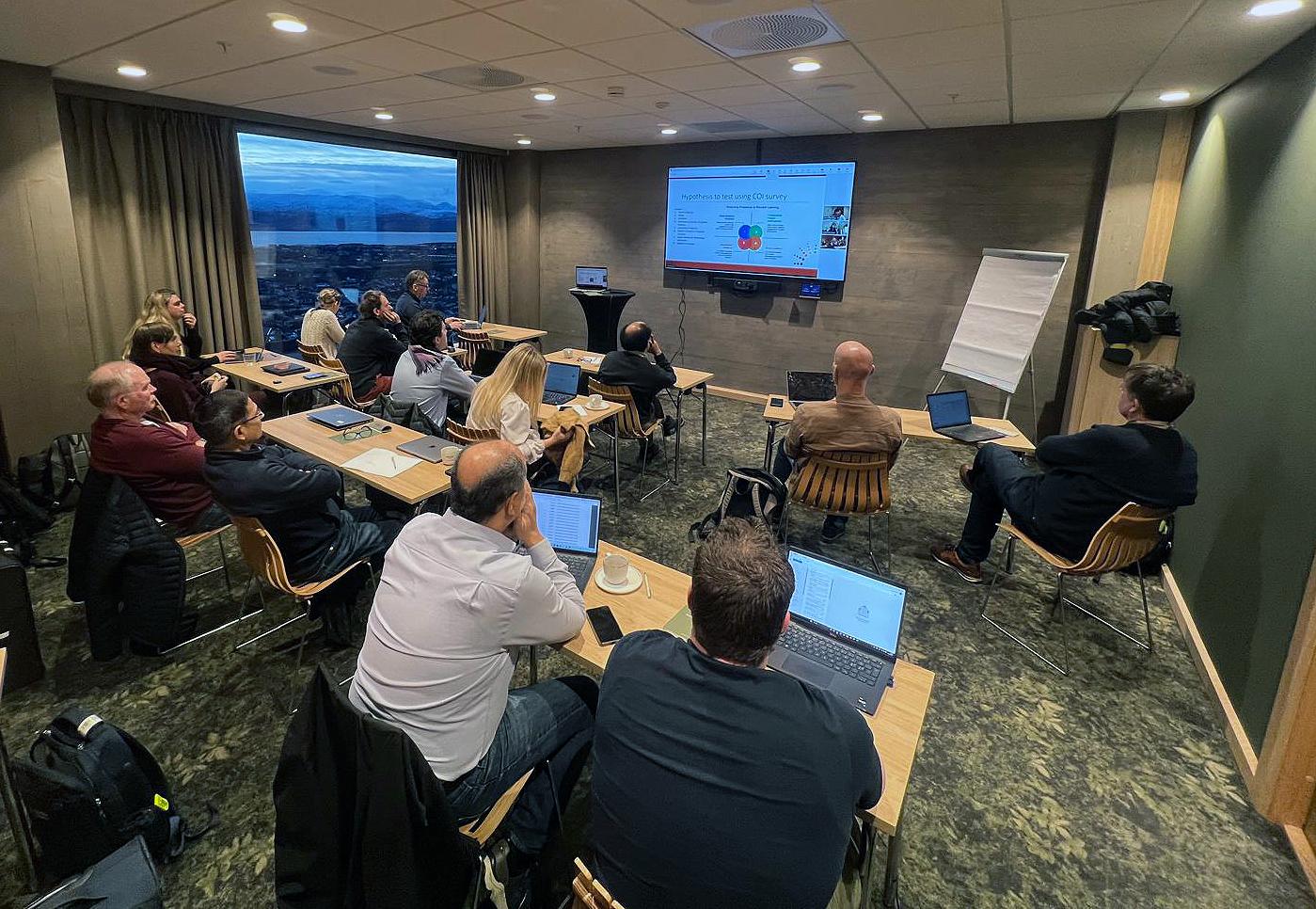
The Science and Technology in Teaching and Learning Research Group, in collaboration with the Mathematics Teaching and Learning Research Group, from Realfag successfully hosted a two days seminar titled “Transforming Teaching and Learning Through Technology.” The event brought together educators, researchers, and students to explore emerging perspectives on the role of technology, particularly artificial intelligence, in shaping future educational practices.
The seminar’s central theme focused on AI integration in education along with sustainable education, highlighting both opportunities and challenges associated with transforming teaching and learning processes through technological innovation.