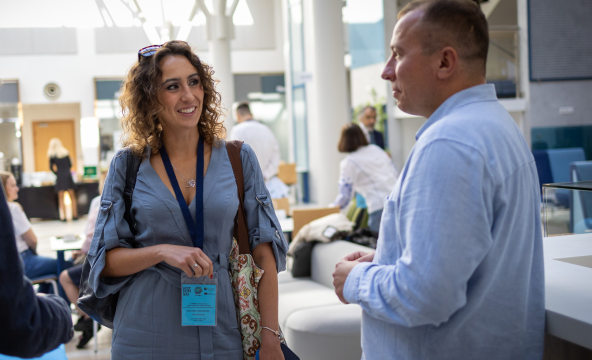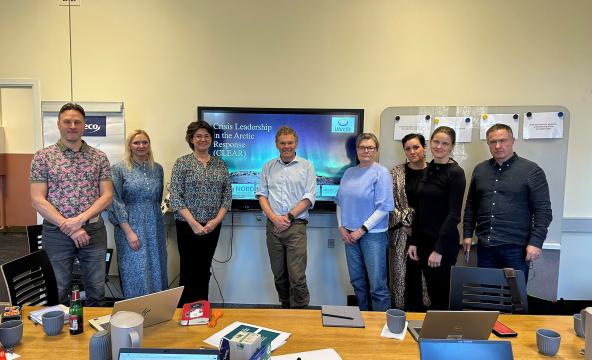


The Arctic is changing fast. What happens next? The illustration (by Malte Humpert / The Arctic Institute) shows Arctic shipping routes – one of many uncertainties the students explored during the workshop.
«How long are we going to keep driving down the wrong path before everything crashes and burns?»
That's the question Carter James Ayasse asks. He's an intern with the Arctic Business Index project at Nord University's High North Center. The project, together with the International Polar Foundation, the North Norway European Office and the Brussels School of Governance, organized the event.
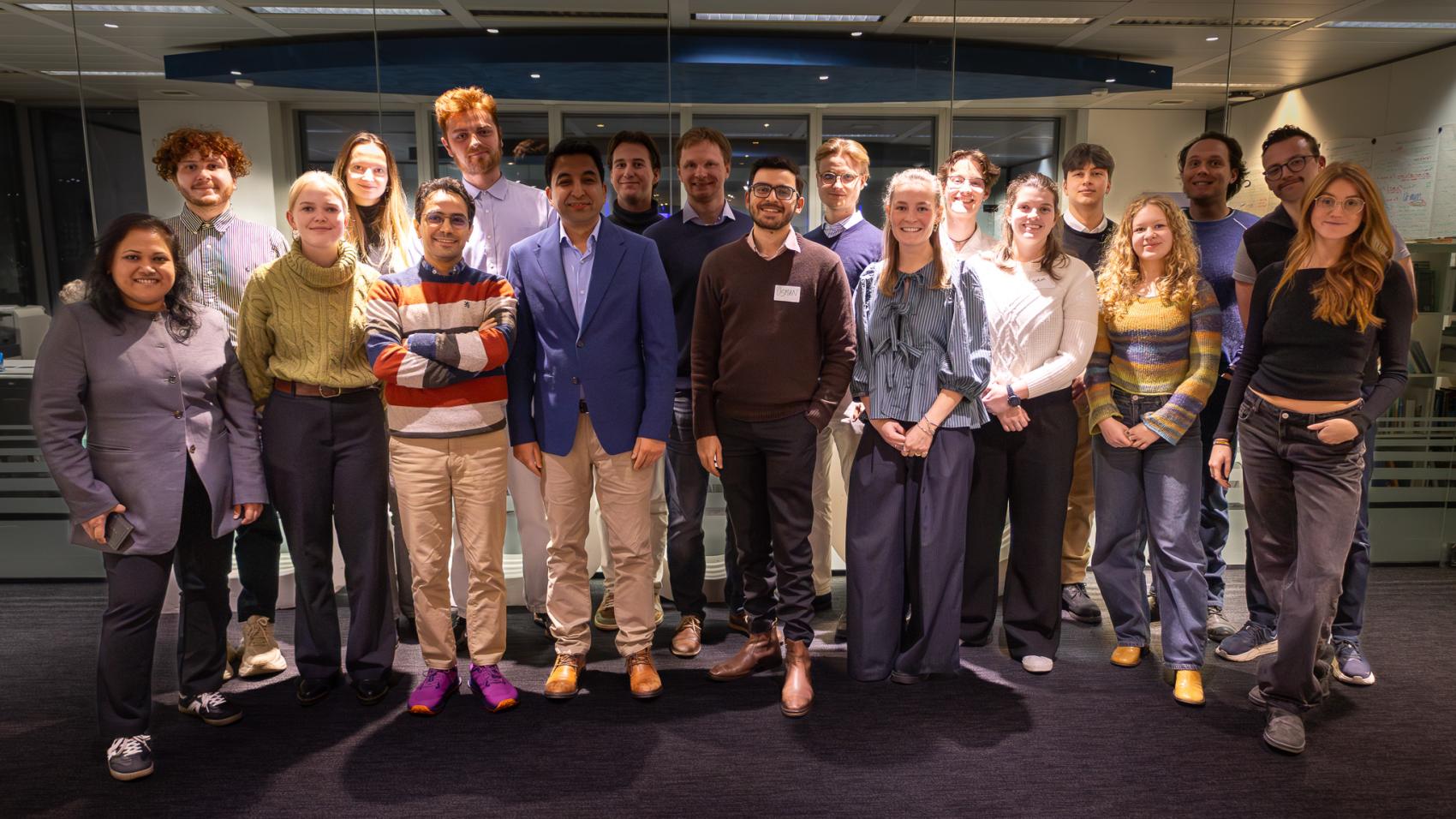
It's a fair question these days. Around 20 students and young experts gathered in Brussels to explore what the Arctic might look like in 15 years, and whether we're prepared for what's coming. The participants were mainly from Europe, but also from the US and Canada.
Thinking the unthinkable
Scenario planning is a method that forces participants to imagine multiple futures, not just the "official" one.
– We have to believe in all scenarios at the same time, says Andrey Mineev, leader of the Arctic Business Index project and workshop responsible.
– It's not about probabilities. Everything we can imagine and analyze is somehow real.
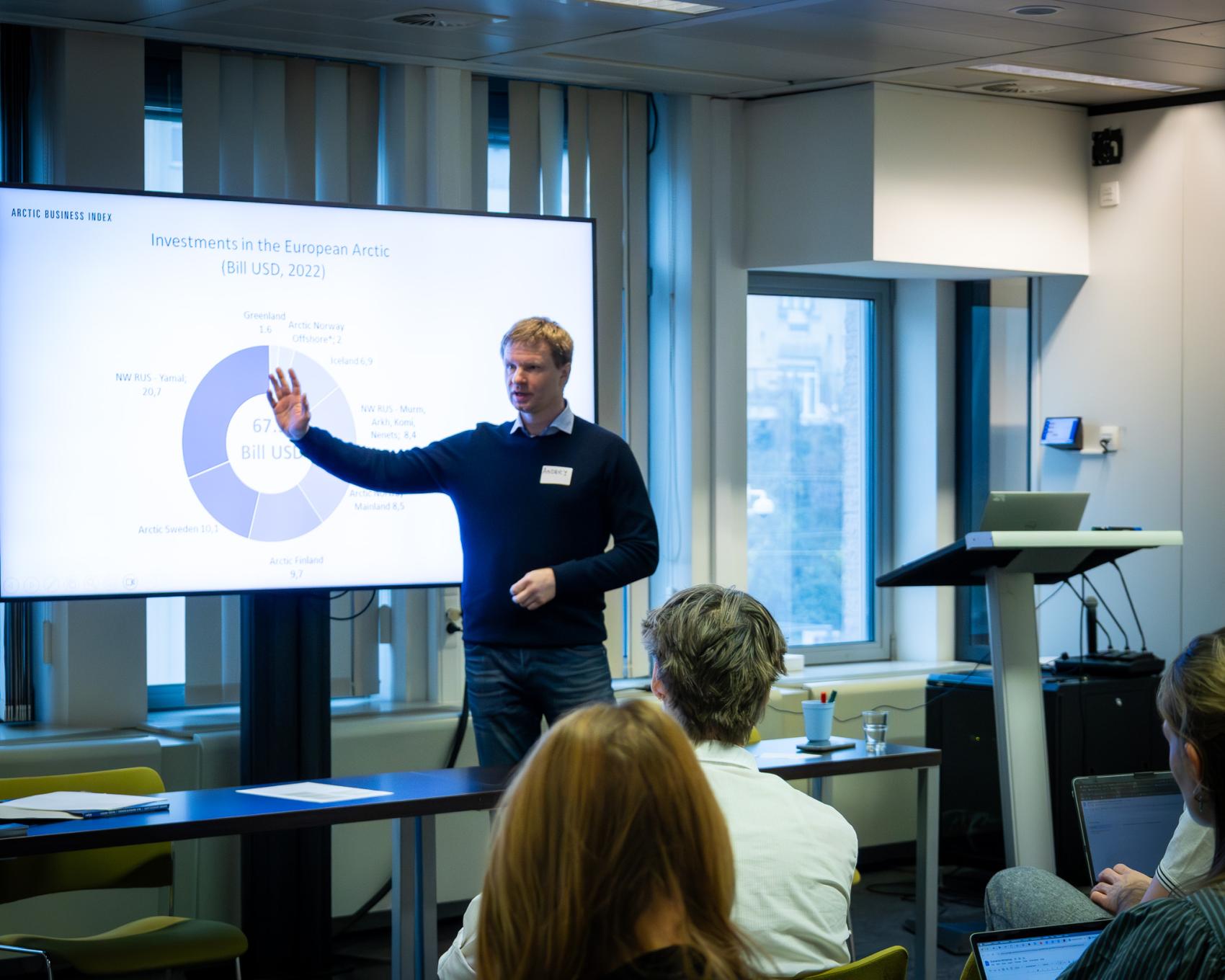
The method, originally developed for military and corporate strategy, helps decision-makers prepare for uncertainty. Participants don't predict the future. They explore. In Scandinavia, this approach was adapted to bring more people into the conversation and to work toward a sustainable future that everyone can agree on.
– It's a combination of creative thinking and analytical thinking, Mineev explains.
It goes far beyond normal forecasting
Four paths to 2040
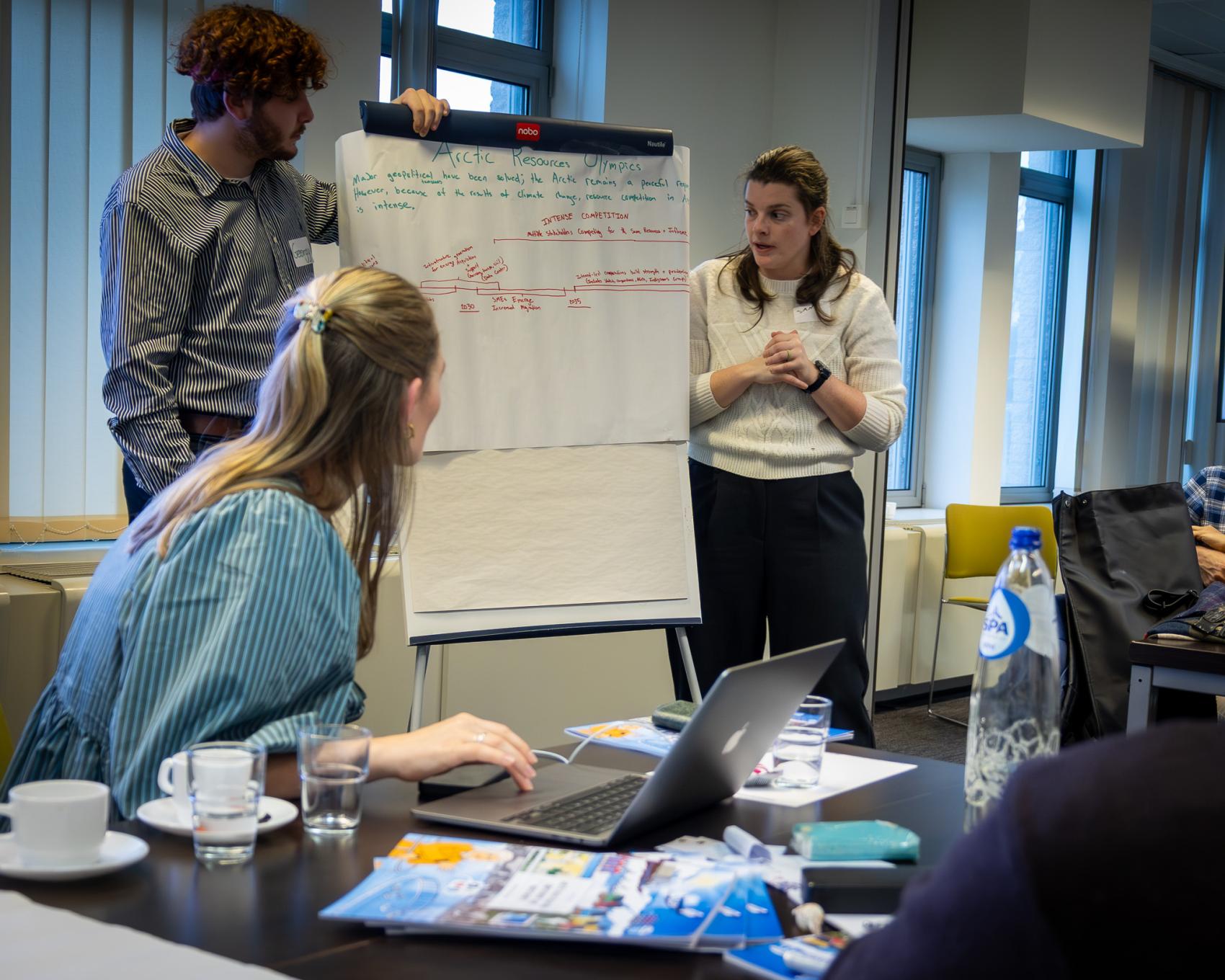
The students worked in groups to develop four different scenarios for Arctic investment and development. These futures ranged from geopolitical chaos and resource races to peaceful cooperation and sustainable growth.
Even the best scenarios came with hard choices - like how much say local communities should have, or when it's okay to limit personal freedom for the common good. The exercise showed that every future has its tradeoffs.
The scenarios were developed through exploring three critical uncertainties: geopolitical tensions, technological development and response to climate change.
For Johanna Remer, a master's student from Aalborg University, the exercise hit home.
– I feel like the biggest problems we have right now are because we didn't take possible future scenarios seriously, she says.
– We were basically not prepared for them.
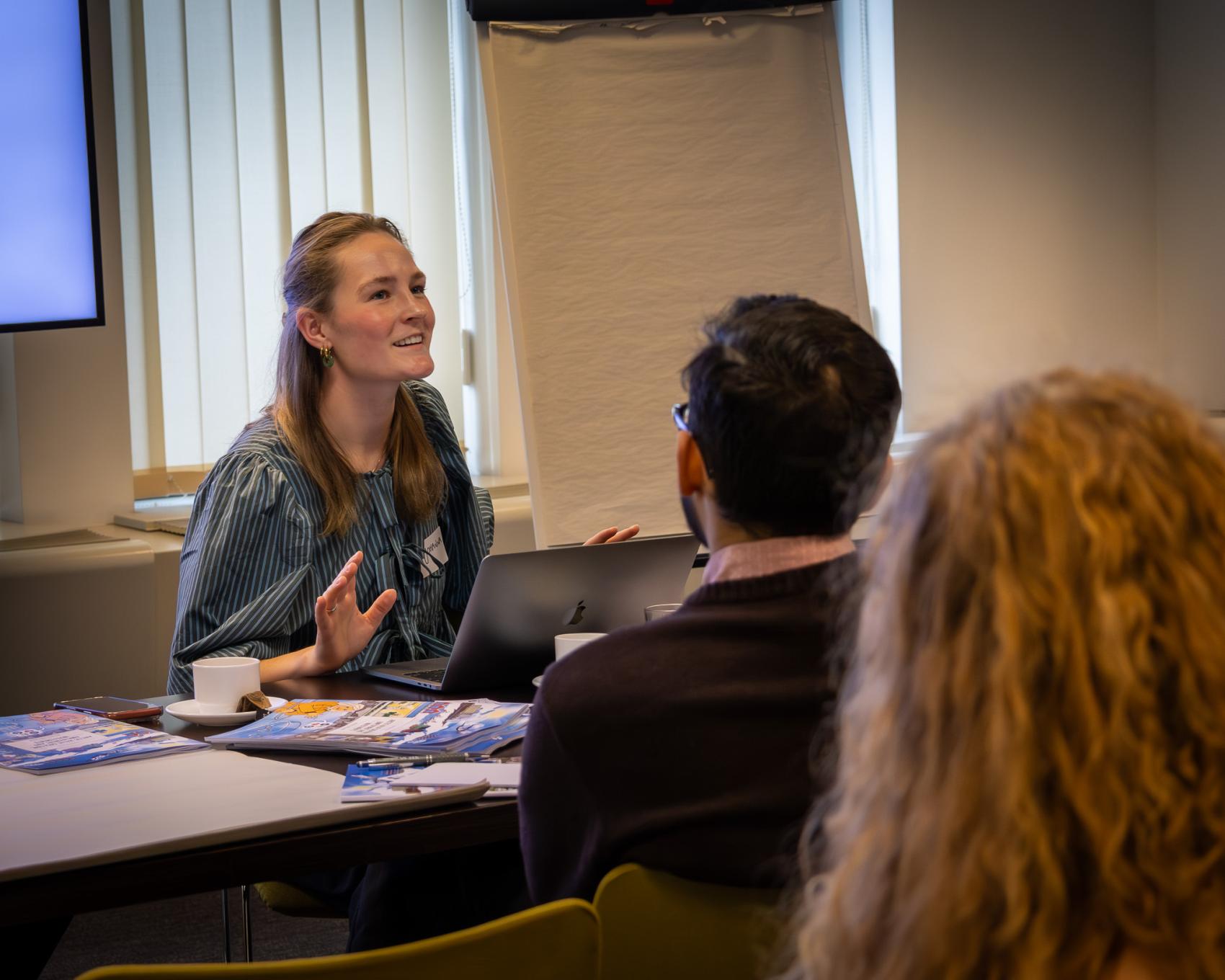
Her group explored a scenario where geopolitical tensions ease, but climate regulations fail, leading to an uncontrolled race for Arctic resources.
– It's going to be chaotic. Everybody's extracting as fast as possible, she says.
– But in a peaceful or somehow stabilized world order, to some extent.
A mental exercise
The workshop wasn't just about the Arctic. It was also about learning to think differently.
– Normally we learn a lot about ourselves as well, not only about the Arctic, when we do these exercises, says Mineev.
Samantha Farquhar, from the United States Coast Guard Academy, is used to scenario planning – but usually in very specific situations.
– From a Coast Guard perspective, we might say: if there's an oil spill here, and you have four boats, what do you do? Very specific, she explains.
For such a high-level scenario exercise, I found it very difficult, but very meaningful
Hope and realism
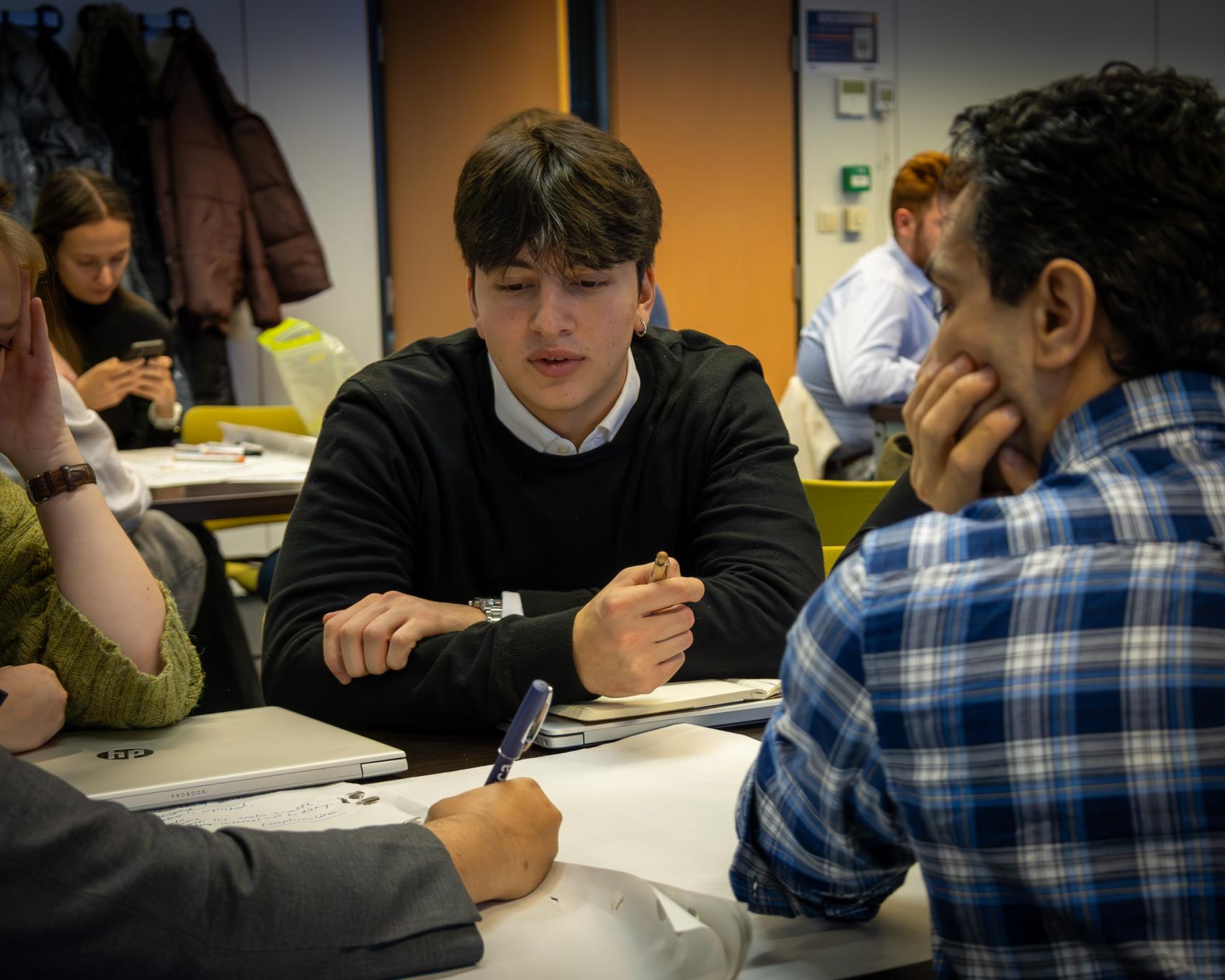
Francesco Scognamiglio, a European studies student from Italy, was participating in scenario planning for the first time.
– It was like being policy makers, analyzing what's happening in the Arctic, he says.
– Analyzing the present situation in order to prevent problems that could happen in the future.
Asked which scenario he believes in, he's honest.
– It's not a positive scenario, to be honest. There are many conflicts of interest, many actors involved.
– I think there's a race to the Arctic, and there won't be a winner.
Still, he hopes for a future that benefits the people who actually live there.
– I hope that everything that will happen will be in favor of Arctic people, indigenous people. Not a clash about countries.
Remer shares that hope.
– I hope the people of the Arctic get taken more seriously in future political discussions, she says.
– And that it will still remain a peaceful region.
Worth the trip
All students interviewed said they would recommend the workshop to others.
– Even if you don't know a lot about the Arctic, it could be really interesting, says Francesco.
You can learn a lot of things just in a few hours
Farquhar agrees.
– It's a great way to meet people, understand different viewpoints, and think about what the Arctic has in store.
For Remer, the method itself was the biggest takeaway.
– I could really use this way of scenario thinking in daily life, she says.
– It challenged my thinking.
The workshop scenarios were presented at the Arctic Futures Symposium. Watch the presentation here (from 2:14).
Key facts:
- The workshop was held on December 1, 2025 at VUB Campus in Brussels.
- Around 20 students from Europe and the US participated.
- The event was organized by the High North Center at Nord University, the International Polar Foundation, VUB Brussels School of Governance, and the North Norway European Office.
- The workshop results were presented at the Arctic Futures Symposium on December 2.
- Scenario planning is a method for exploring multiple plausible futures to prepare for uncertainty.

Key facts:
- The workshop was held on December 1, 2025 at VUB Campus in Brussels.
- Around 20 students from Europe and the US participated.
- The event was organized by the High North Center at Nord University, the International Polar Foundation, VUB Brussels School of Governance, and the North Norway European Office.
- The workshop results were presented at the Arctic Futures Symposium on December 2.
- Scenario planning is a method for exploring multiple plausible futures to prepare for uncertainty.