Meet Nord’s Fresh PhDs: Every year, Nord University educates over thirty new PhDs. In this series, you’ll get to meet some of them. Photo: Lise Fagerbakk
In this interview series, you’ll get to know some of them – what they researched, what motivated them, and what’s next on their journey.
What is a doctor in academia?
A doctoral degree (PhD) is the highest academic qualification you can achieve. It is awarded after several years of research and study, during which the candidate carries out an independent research project and publicly defends their dissertation.
A person with a PhD is often called a doctor and has specialized deeply in their field. The degree qualifies for research positions, university-level teaching, and leadership roles in knowledge-intensive environments.
Doktorgradsutdanninger ved Nord universitet
Nord University currently offers four doctoral programmes:
PhD in Biosciences
PhD in Business
PhD in Sociology
PhD in Professional Studies
A fifth programme is under consideration, with three fields in play: societal security, innovation and entrepreneurship, and health sciences. A decision is expected in March 2026.
Helena Costa – newly graduated PhD from Nord's Faculty of Biosciences and Aquaculture
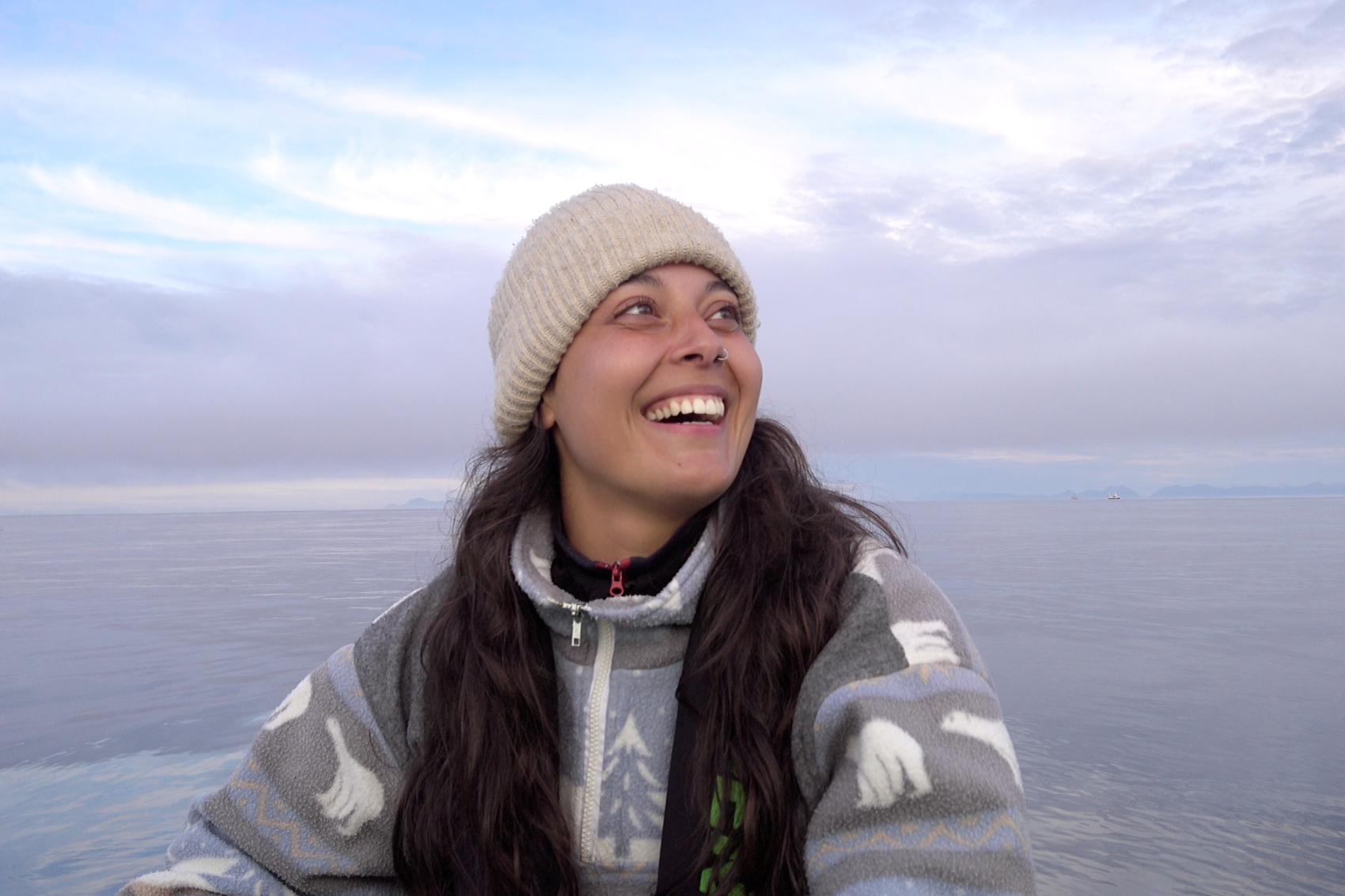
The Faculty of Biosciences and Aquaculture (FBA) has approximately 800 students and 160 staff members, spread across two Nord University campuses: Bodø and Steinkjer. Research activities at the faculty are organized into five academic groups.
Name: Helena Costa
Age: 30
Place of residence: Bodø, Norway
Brief background: I am a veterinarian from Portugal, with interest in wildlife medicine and conservation.
What have you researched, and why did you choose this topic?
For my PhD, I worked with developing innovative methods to assess the health of live whales, non-invasively. These methods include using drones for whale "breath" sampling and culturing whale skin cells in the lab. I chose this topic because traditional health assessments of wild whales are extremely challenging, and recent disease outbreaks in northern Norway highlighted the urgent need for new, non-invasive monitoring tools.
What has it been like to move to Norway and pursue a PhD at Nord University?
Having first come to Norway for my master’s in 2018, I already knew how much I loved life in the north - the nature, the wildlife, and the opportunities for Arctic research. Returning to pursue a PhD at Nord University has been incredibly rewarding, due to the opportunity to live work in such a unique environment and to collaborate with like-minded researchers who share a passion for Arctic conservation.
What are your plans now that your PhD education is completed?
I am currently completing a postgraduation in Wildlife Conservation Medicine and will soon start a short clinical training in a zoo in Norway. I hope I can then continue into a postdoctoral position that allows me to continue my research working with Arctic wildlife health.
Erlend Bønes – newly graduated PhD from Nord's Faculty of Nursing and Health Sciences (FSH)
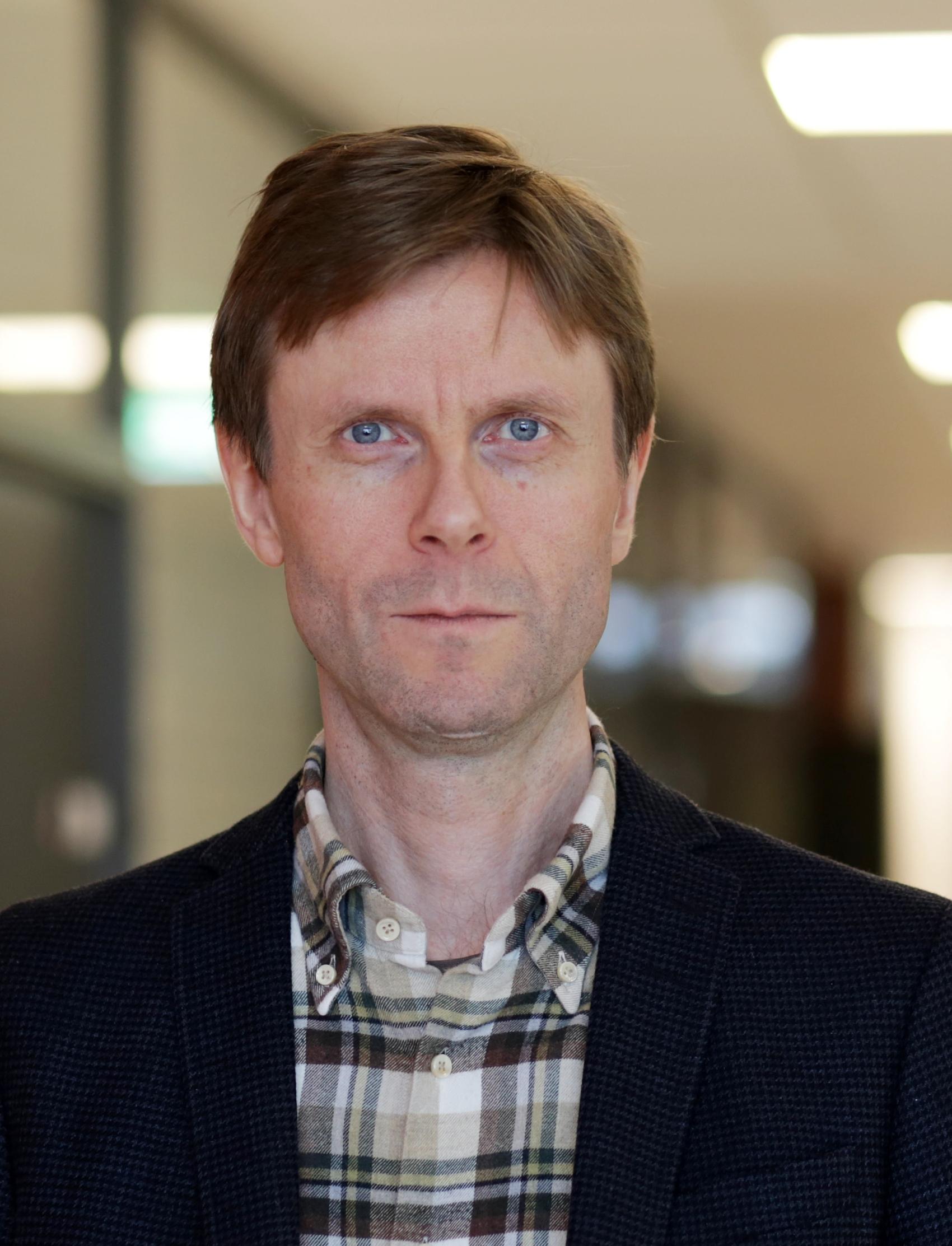
The Faculty of Nursing and Health Sciences (FSH) has around 2,100 students and 240 staff members. The faculty is present at five Nord University campuses: Bodø, Levanger, Mo i Rana, Namsos, and Vesterålen. Research activity at the faculty is organized into five academic groups.
Name: Erlend Bønes
Age: 47
Residence: Tromsø, Norway
Brief background: Holds a master's degree in computer engineering from UiT - the Arctic University of Norway. Worked at the National Centre for Telemedicine from 2002 to 2015 and at the University Hospital of North Norway from 2016 until starting the PhD in 2019.
What have you researched, and why did you choose this topic?
I have researched so-called FACT (Flexible Assertive Community Treatment) teams, which provide outreach treatment and follow-up for people with long-term mental health problems. Unfortunately, the ICT solutions used by these teams are poorly suited to their needs, which leads to extra work and lack of access to important information. I have researched what these problems are in detail and how they should be solved. Access to complete information from different electronic health record systems is a major challenge, and the electronic boards used in daily meetings can also be improved. I chose this topic because it is a significant issue in healthcare, where I could build on my previous work experience.
What was the most surprising thing you discovered during your PhD work?
It is a well-known problem that information flow between different parts of the healthcare system can be difficult. What surprised me was that these problems are even more pronounced in FACT teams. This is due to the organization of the teams, which include employees from both municipal health services and specialist health services. As a result, problems with information flow arise within the same team.
How do you hope your research will be used or make an impact going forward?
By describing the problems and how they can be solved, I hope to facilitate the development of ICT solutions that meet the requirements of FACT teams. I hope that the descriptions of the challenges with information flow will encourage health authorities and ICT system providers to adopt technical standards that make information exchange easier.
What are your plans now that your PhD is completed?
I am now working at the Norwegian Centre for E-health Research in Tromsø. Here, I want to continue working to ensure that ICT solutions can be used to address challenges in the healthcare system.
Sigbjørn Hunstad Skirbekk – newly graduated PhD from Nord's Faculty of Social Sciences

The Faculty of Social Sciences (FSV) has around 1,900 students and 200 staff members. The faculty is present at several campuses. Academic activities are organized into five research groups.
Name: Sigbjørn Hunstad Skirbekk
Age: 30
Residence: Bodø, Norway
Brief background: I have been passionate about sports, especially football, for as long as I can remember. This led me to apply to NTNU in Trondheim to pursue a master’s degree in Sports Science. There, I was able to delve deeper into familiar topics while also challenging my idealized view of sports as I had experienced it. This resulted in my master’s thesis on female football supporters’ perspectives on supporter practices. The role and impact of sports on society, and how social inequality can both worsen and improve through sports practices, has become an area of interest for me—particularly related to the implementation and use of technology.
What have you researched, and why did you choose this topic?
I have researched the implementation of video refereeing in Norwegian top-level football, focusing on its implications for male and female referees and their careers. The PhD project combined theoretical perspectives on gender and technology to examine gendered implications of introducing video refereeing in Norway.
How do you hope your research will be used or make an impact going forward?
I hope the project and its findings will highlight the importance of being aware of the social implications of implementing, using, and interacting with technology and technological tools. Technology is not neutral or objective, and it has (many) consequences. I consider this important far beyond the sports field.
What will you do now that your PhD is completed?
For now, I have a temporary position as a university lecturer here at FSV in Bodø, where I am engaged in teaching, supervision, and grading. I enjoy working in academia and hope to find ways to continue doing so!
Simen Raaen Sandmæl – newly graduated PhD from Nord's Faculty of Education and Arts (FLU)
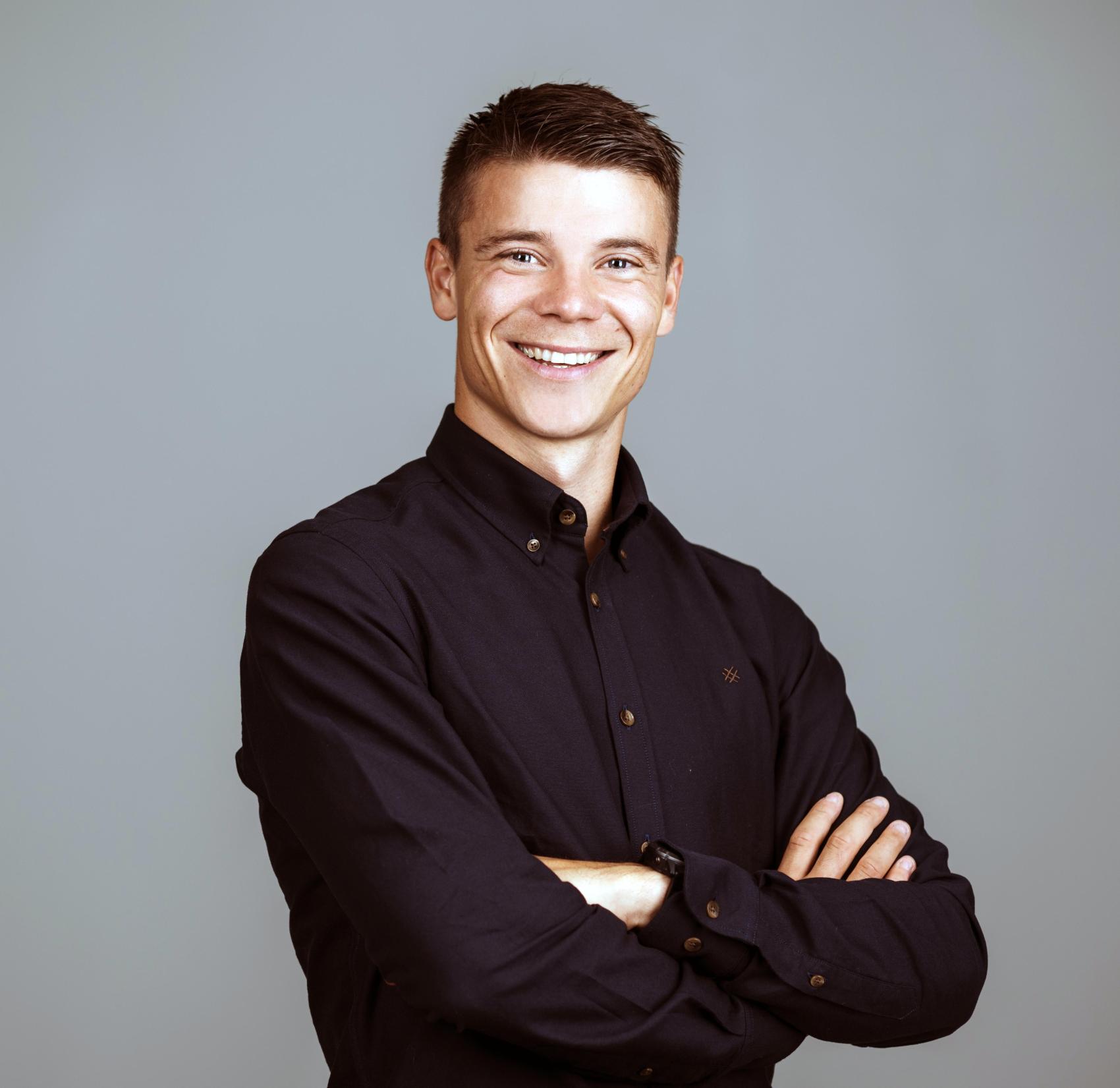
The Faculty of Education and Arts (FLU) has around 3,500 students and 315 staff members across several campuses. The faculty organizes its academic activities into six research groups, responsible for research and education within their fields.
Name: Simen Raaen Sandmæl
Age: 35
Residence: Malvik, Norway
Brief background: Extensive sports background as an athlete, coach, and leader in both grassroots and elite sports. Holds a master’s degree in Sports Science and some education in economics. I have worked as a university lecturer for the past five years.
What have you researched, and why did you choose this topic?
I have researched the practical application of AI-based sensor technology in football. The use of AI-based technology is a highly relevant topic today, including in sports. The sports technology industry has grown rapidly over the past decade, with more actors competing for market share in a highly commercialized and competitive environment. In my PhD project, I wanted to explore how AI-based sensor technology can be used to estimate players’ physical load. This is a very current issue and interesting given that this technology is still in its early stages and not yet fully integrated into football for measuring physical variables. My project therefore has the potential to influence future use of AI-based technology in football by assessing its suitability in practice.
How do you hope your research will be used or make an impact going forward?
I hope my research will impact practice by providing better knowledge on how to collect, interpret, and utilize estimates of physical variables in football to improve performance and prevent injuries.
What will you do now that your PhD is completed?
I will continue teaching while also establishing new research projects. I aim to further develop my expertise in the application of technology in sports and carry out projects that can influence practice.
Griffin Goldstein Hill – newly graduated PhD from Nord's Faculty of Biosciences and Aquaculture

The Faculty of Biosciences and Aquaculture (FBA) has approximately 800 students and 160 staff members, spread across two Nord University campuses: Bodø and Steinkjer. Research activities at the faculty are organized into five academic groups.
Name: Griffin Hill
Age: 30
Place of residence: Oslo, Norway
Brief background: Growing up in Northern California, USA, the ocean has always fascinated me. From an early age I knew I wanted to spend my career studying the marine environment and once I started to learn about the myriads of threats facing it, my lofty goal quickly became to “save the oceans”. From a BSc at Stanford studying thermal tolerance of corals and genetic diversity of Coho salmon (Oncorhynchus kisutch) to a Master of science at UiT investigating the stressor landscape facing the threatened polar cod (Boreogadus saida) my interest in the marine realm has only grown. I enjoy using diverse toolkits such as genomics, species distribution models, and climate models to build our understanding of the vulnerability of farmed and wild populations to climate change. Faculty: Faculty of Biosciences and Aquaculture (FBA)
What have you researched, and why did you choose this topic?
Throughout my PhD I have focused on the impacts of climate change on aquaculture and wild populations in the marine environment. Climate change is something that acts on a global scale but has very localized impacts as well. Some species groups, through their ability to facilitate the persistence of other reliant species, have a disproportionate impact in determining how a system reacts to heightened environmental stress. Kelp is one such group of species shown to add significant resilience to coastal systems where they can persist, even though stressful ecosystem changes like warming and acidification. This led me to structure my PhD studies to include both global assessments of aquaculture exposure to climate change as well as localized (to Norway and the North Atlantic) inventories of genetic diversity and projected vulnerability of wild kelp populations.
What was the most surprising thing you discovered during your PhD work?
Through a modeling effort initiated by me and another Nord PhD student, we were able to show that small increases in kelp thermal tolerance (how high of a sea temperature they can tolerate) in the North Atlantic had the potential to reduce projected losses due to climate change by half. This project grew out of organic academic interaction in the hallways of Nord and went on to be published, adding key targets for the growing number of projects coming up with ways to make kelp stronger or more temperature tolerant.
What has it been like to move to Norway and pursue a PhD at Nord University?
Having done my master’s degree in Tromsø, I am one of the few that can say they moved south to attend a university called “Nord.” Bodø provided a great background to the ups and downs of the PhD period. The PhD community at Nord was also a highlight, with so many different countries, perspectives, and backgrounds (both scientific and otherwise) represented.
What are your plans now that your PhD education is completed?
After defending my PhD on a Friday, I started the very next week in my new position as a post-doctoral researcher at the Norwegian Institute for Water Research (NIVA). Here, I am working on the development of ecosystem models for the Skagerrak and Kattegat region. This economically and ecologically important linkage between the North and Baltic Seas is the perfect arena to improve our understanding of the impacts of multiple stressors (fishing, climate change, pollution, and acidification for example) in a changing climate.
Justyna Szynkiewicz – independent scholar / newly graduated PhD from Nord's Faculty of Social Sciences (FSV)
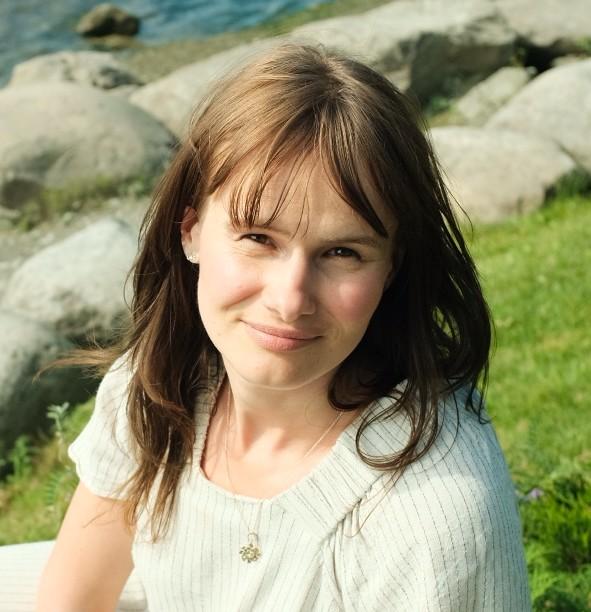
The Faculty of Social Sciences (FSV) has around 1,900 students and 200 staff members. The faculty is present at several campuses. Academic activities are organized into five research groups.
Name: Justyna Szynkiewicz
Age: 37
Place of residence: Trondheim, Norway
Brief background: I grew up in Poland, where I pursued two master’s degrees in the social sciences. During my studies, I had the opportunity to take part in an international exchange programme in Cagliari, the capital of Sardinia – an island region of Italy. It was a life-changing experience that inspired me to broaden my horizons. In 2015, I moved to Oslo to start an international project, and I have lived in Norway ever since. Later, I settled in Trondheim, and in 2017 I began my PhD in Sociology at the Centre for Excellent IT Education, a joint project between Nord University and NTNU. I am an interdisciplinary researcher with an interest in higher education and technology.
What have you researched, and why did you choose this topic?
My research focused on how students in computing degree programmes develop their professional identity. I was particularly interested in how participation in project-based learning shapes this process in terms of the values, norms, professional competencies, and communities that students engage with as they become future technology professionals.
What was the most surprising thing you discovered during your PhD work? (optional)
What I found most surprising was how highly students valued social and interpersonal skills and how many of them considered these skills even more important than technical competence. It challenged some of my assumptions about what students in computing education find most meaningful.
What has it been like to move to Norway and pursue a PhD at Nord University?
My journey with Norway began before I started my PhD, and it has been both educational and transformative. Living here has strengthened my resilience and broadened my perspective. I’ve met inspiring colleagues and friends and built connections that have enriched both my personal and professional life.
What are your plans now that your PhD education is completed?
I am motivated to continue an academic career and further develop my scholarly competence. I’m looking to contribute my expertise in settings that foster both intellectual growth and meaningful collaboration.